UI/UX Design Project

Helping Mamas

SCADserve

  • Main Role

    Project Manager

  • Date

    September 2025

  • Duration

    10 weeks

  • Team Size

    13

image

What if dignity was designed into the system?

Got just 30 seconds? Quickly know what we did!

Helping Mamas came to us with a ask to create a machine that dispenses bundled period products (20–30 units) in schools and libraries for low income individuals, ensuring free yet monitored access for anyone in need. As a team, based upon our research and findings it became our goal to design a dignified, compact, and adaptable solution. This solution doesn't only distributes products, but also raises awareness, rethinks packaging, and explores beyond the machine to ensure accessibility in every context.

image

My Role

I served as the Project Manager for Helping Mamas, overseeing the project end-to-end and coordinating the team from research to system design. I was responsible for delegating tasks, setting timelines, aligning cross-functional workstreams, and ensuring the final solution stayed true to the core goal of discreet, dignified access—balancing user needs, institutional constraints, and design quality throughout.

Here’s a quick summary, if you are in a hurry!

image

The Problem

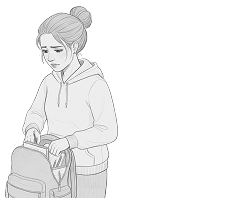
In many public spaces, access to essential period-care items is inconsistent, visible, or dependent on asking for help, creating barriers around privacy, dignity, and autonomy. These gaps disproportionately affect those who rely on schools and libraries as safe, everyday environments.

image

The Solution

Bloom is a modular, discreet access system integrated into public institutions, designed to provide private, stigma-free access to essential period care items. By embedding access directly into the environment, the system removes friction, normalizes support, and ensures dignity is designed into everyday spaces, not treated as an exception.

image

Still want to read more? Here you go!

Context

image

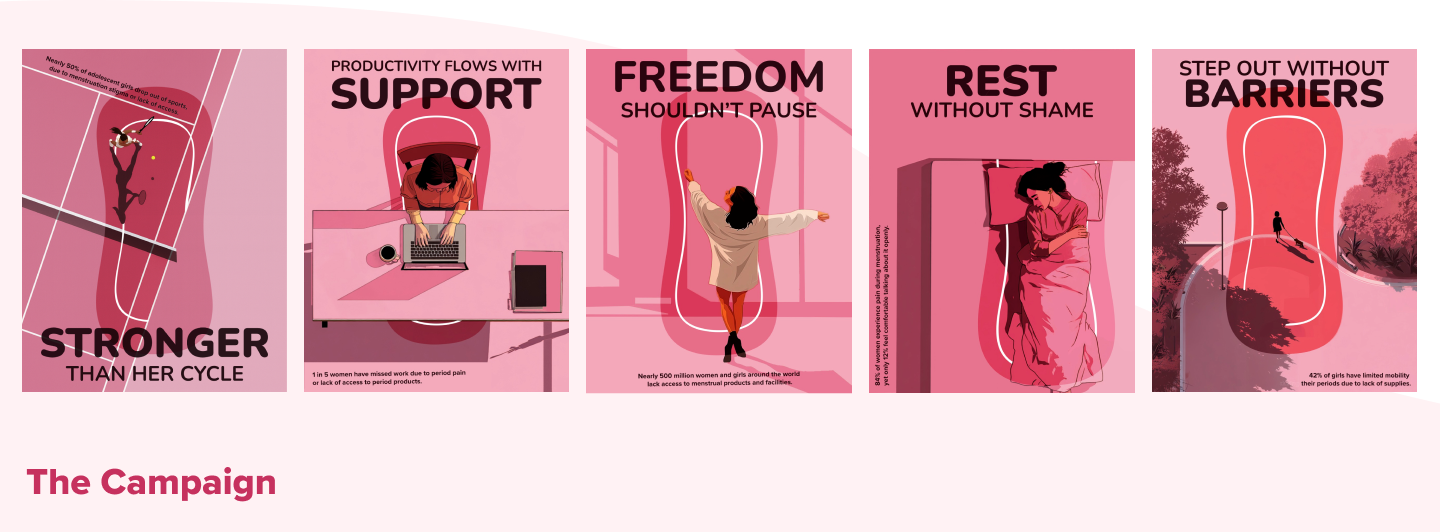
Menstruation remains one of the most common reasons for absence, silence, and stigma in public spaces.

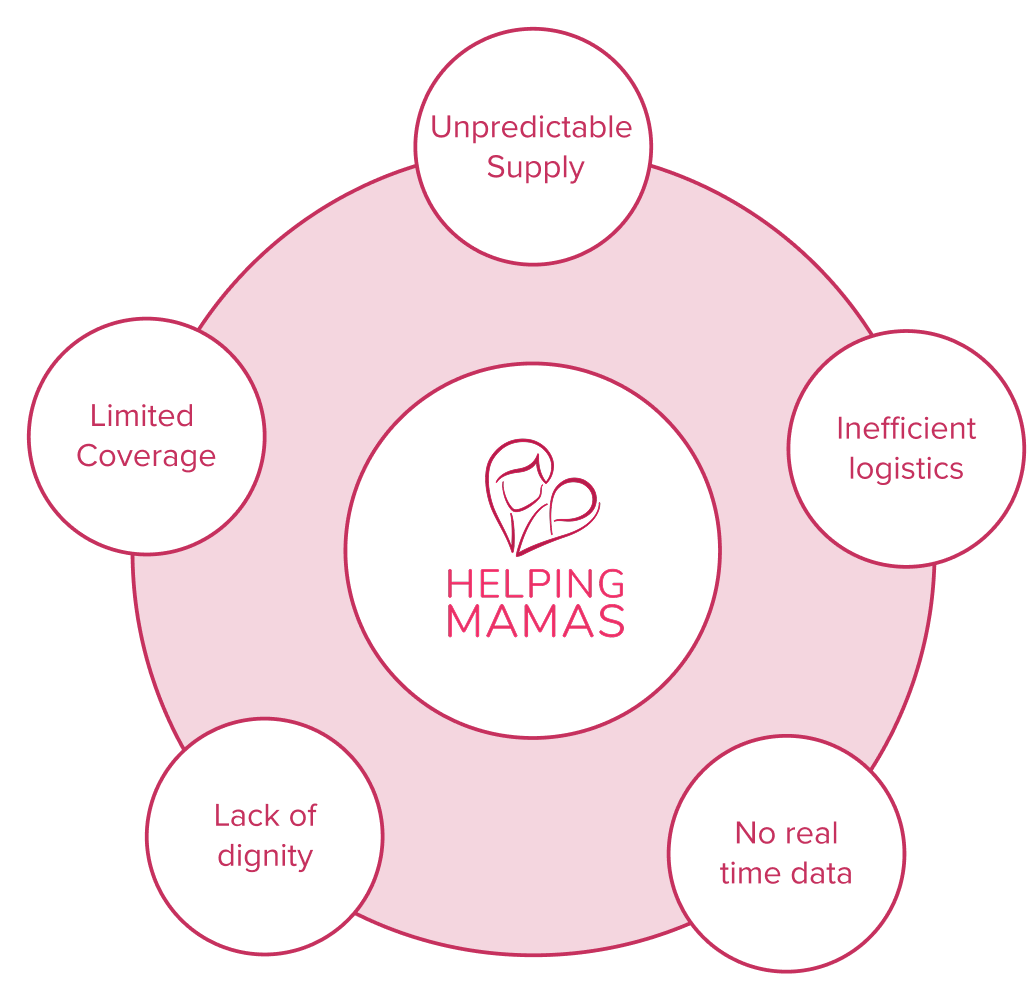
And this is exactly what helping mamas is set to change. Helping Mamas is a nonprofit organization that provides essential baby and period products to women and children in need. Currently, they distribute products through five vans that travel to schools, shelters, and community centers. However, the system faces a few consistent challenges.
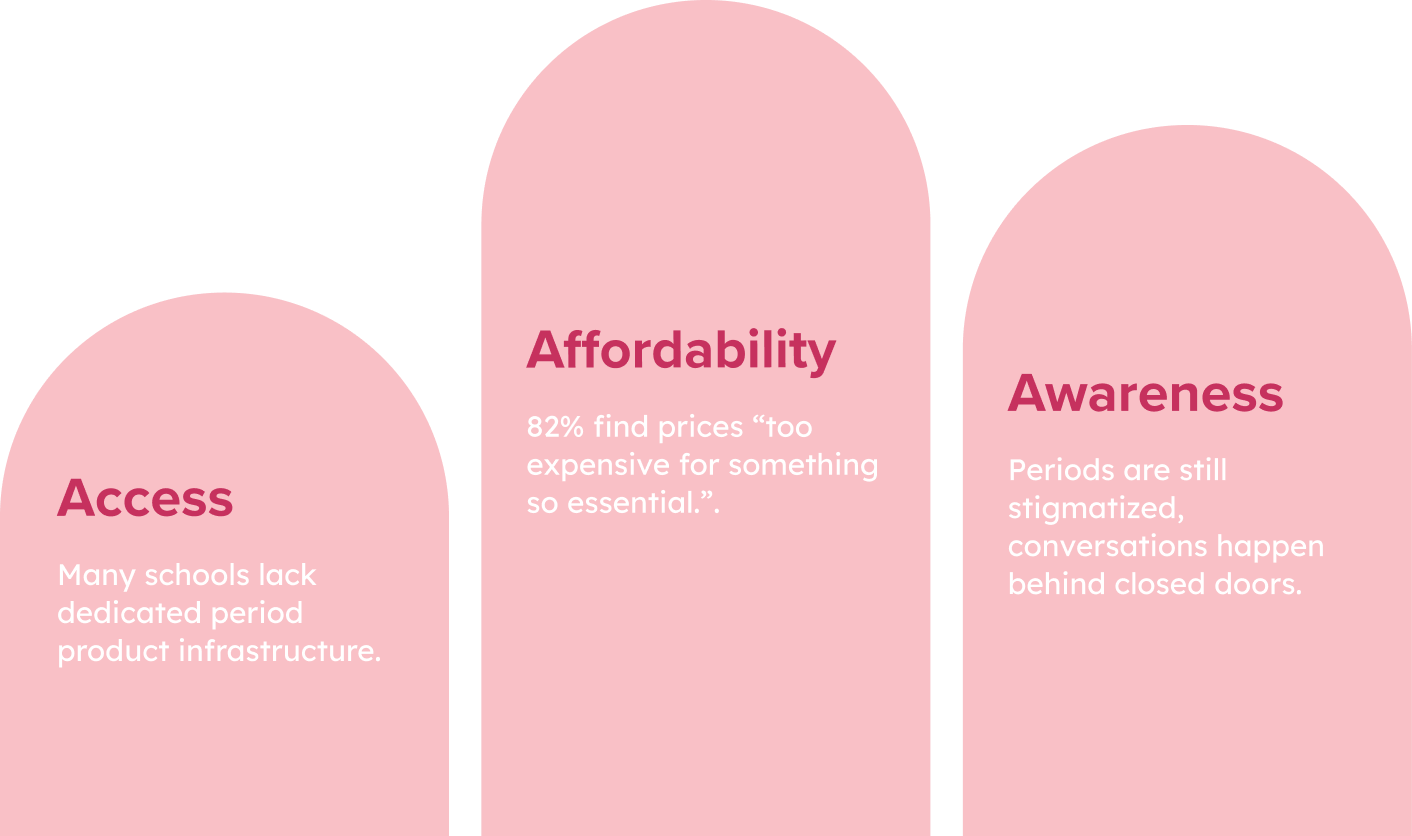
Hence, Helping Mamas asked us to design a machine that distributes 30 units of menstrual products in bundles. One that can be placed in schools and libraries for easy access of low income individuals

Secondary Research

Analyzed nonprofit reports, public health studies, education-sector surveys, and government statistics.

Secondary research findings demonstrate that menstrual product inaccessibility is a structurally embedded issue, driven by economic inflation, social stigma, and institutional gaps within school environments, rather than an individual or behavioral shortcoming.

41%

that’s how much the average price of a pack of sanitary pads has risen since 2019.

4 in 5

girls hide their period products when they walk out of class to go to the bathroom.

2 in 5

have worn period products longer than recommended due to lack of replacements.

10%

of menstruating girls and young women miss school during their menstrual cycle.

image

Primary Research

We interviewed 70+ participants through direct user engagement, to capture lived experiences, behavioral patterns, and contextual challenges surrounding menstrual product access.

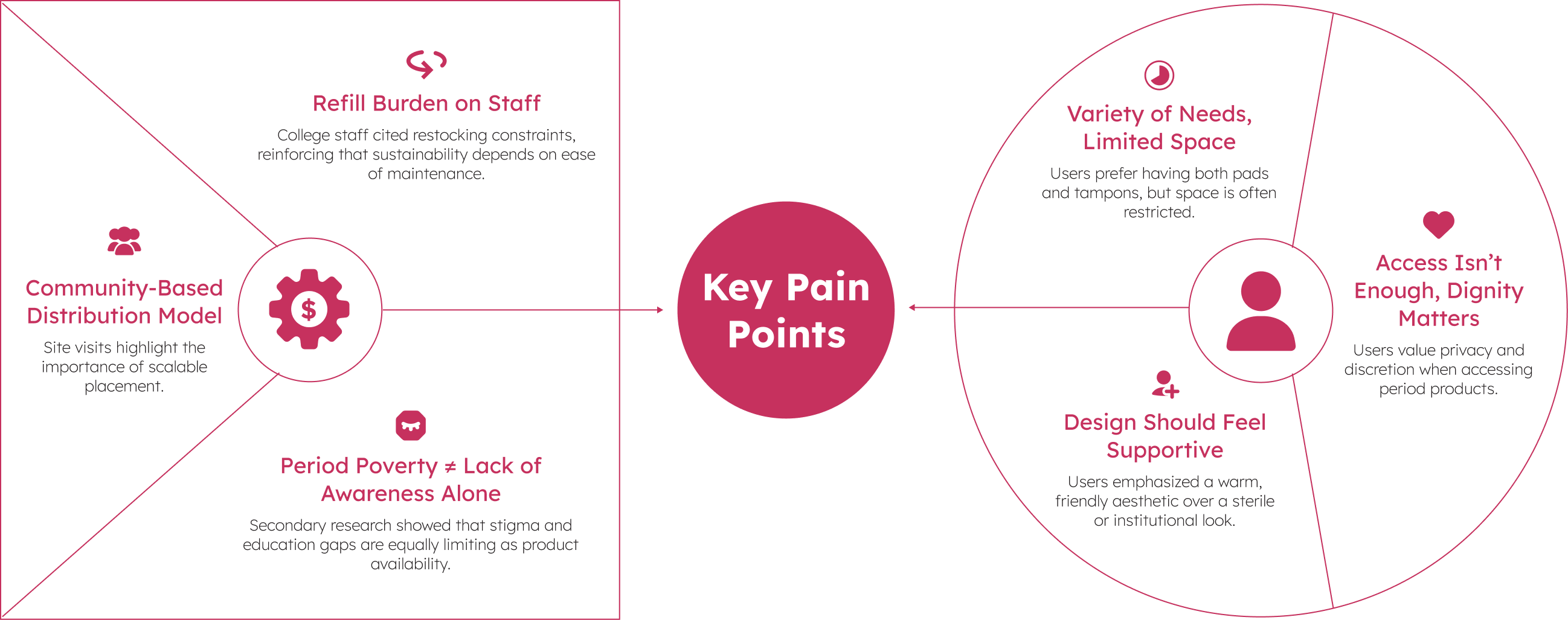
Key Pain Points

We reviewed more than 100 articles and reports, identifying national trends, policy gaps, and barriers to menstrual equity. And through 20 site visits (from schools and libraries to community centers), six key insights shaped our design approach.

images

How might we

Design a dignified, sustainable, and reliable machine for menstrual products so that it's always accessible to those who need it? 

image

The Ecosystem

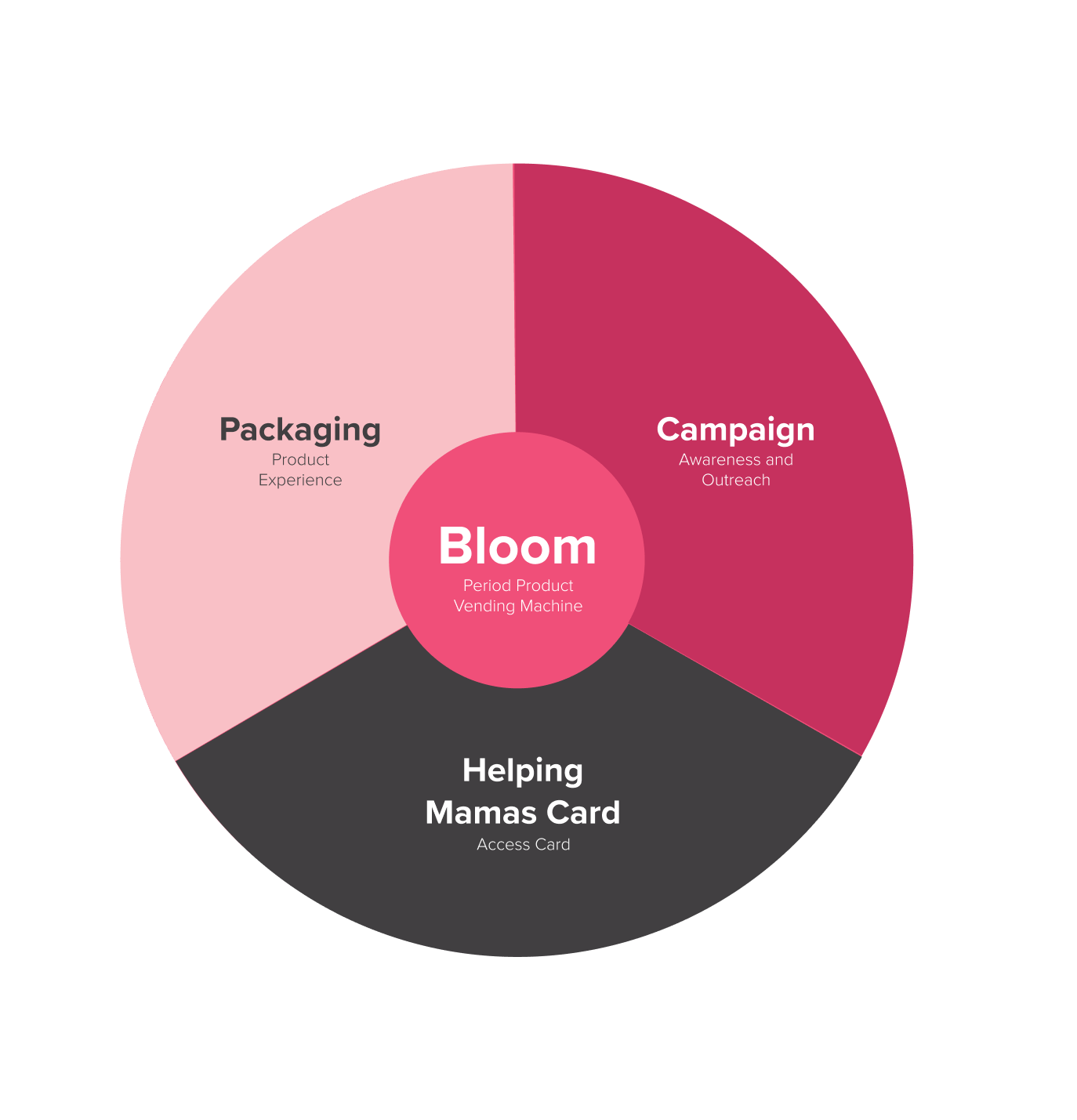
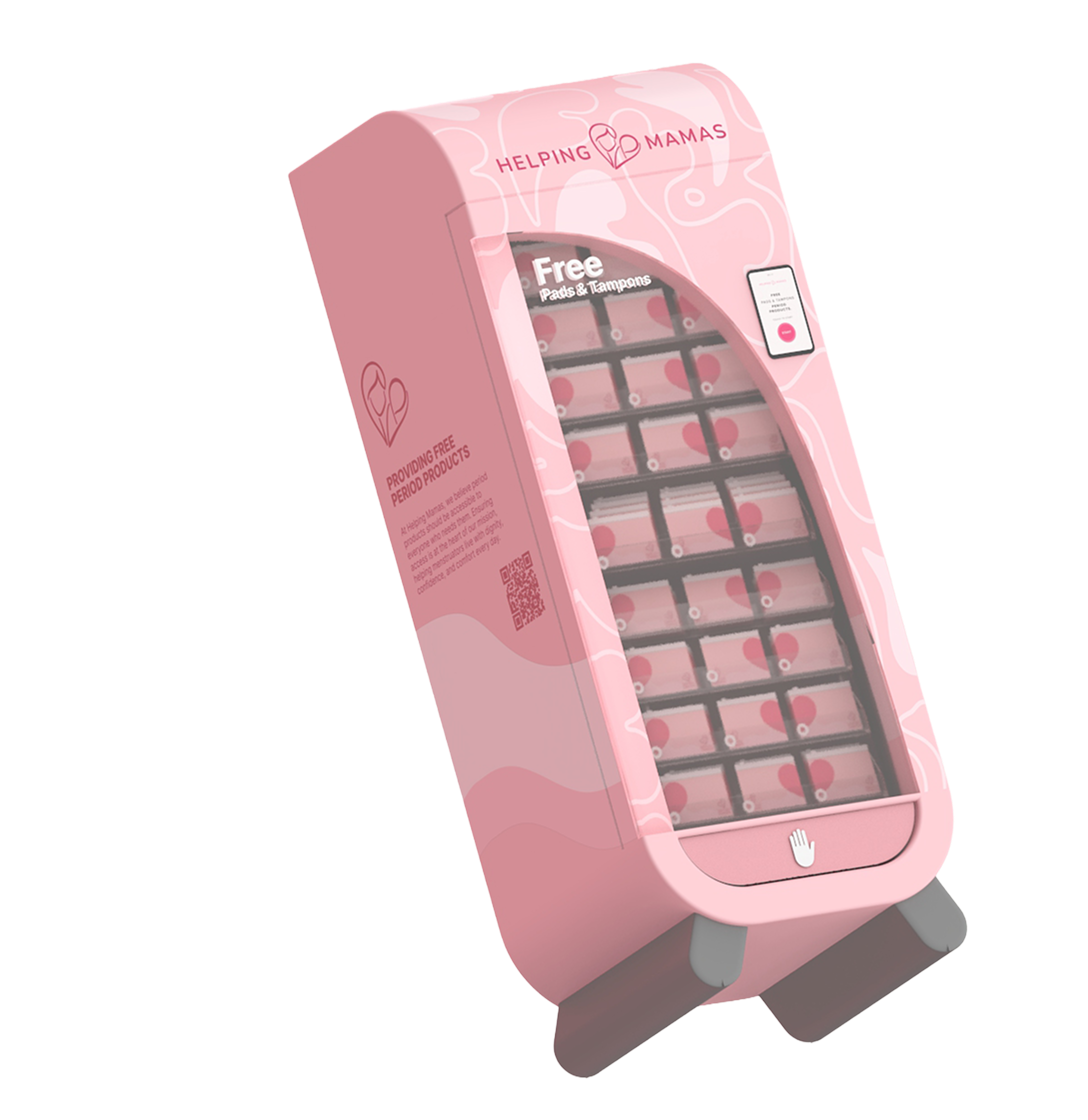
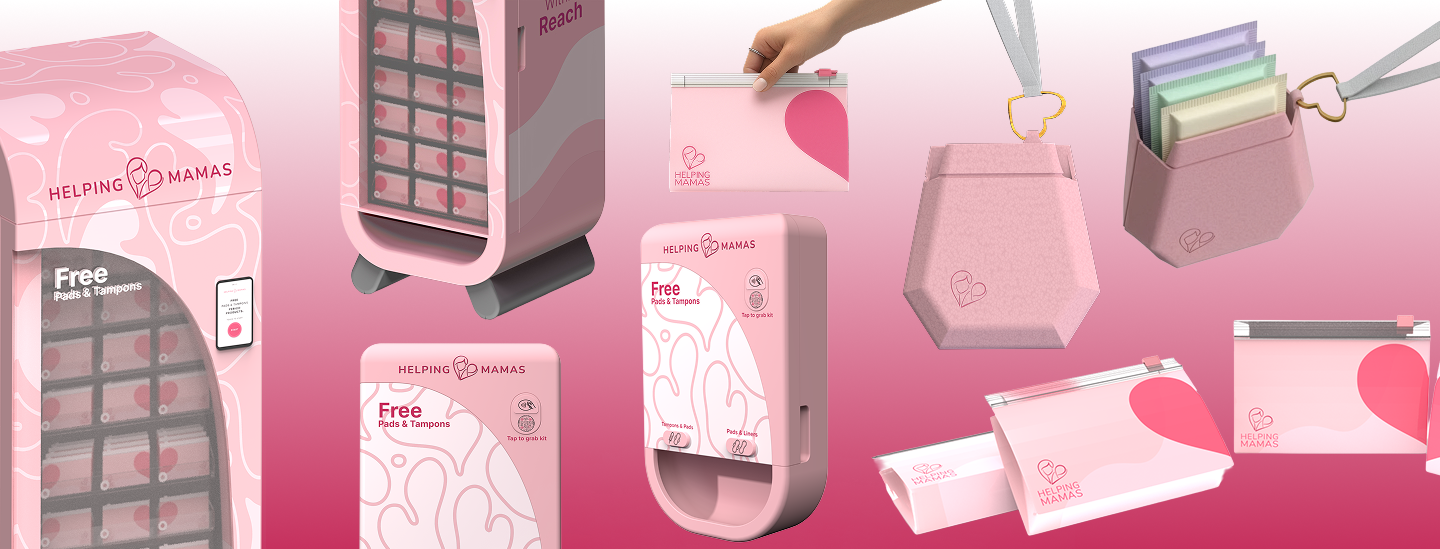
Instead of just designing a vending machine, we created a connected ecosystem called Bloom. A system that rethinks how menstrual care is distributed, accessed, and experienced.

Bloom brings together four key touchpoints:

  • The period product vending machine

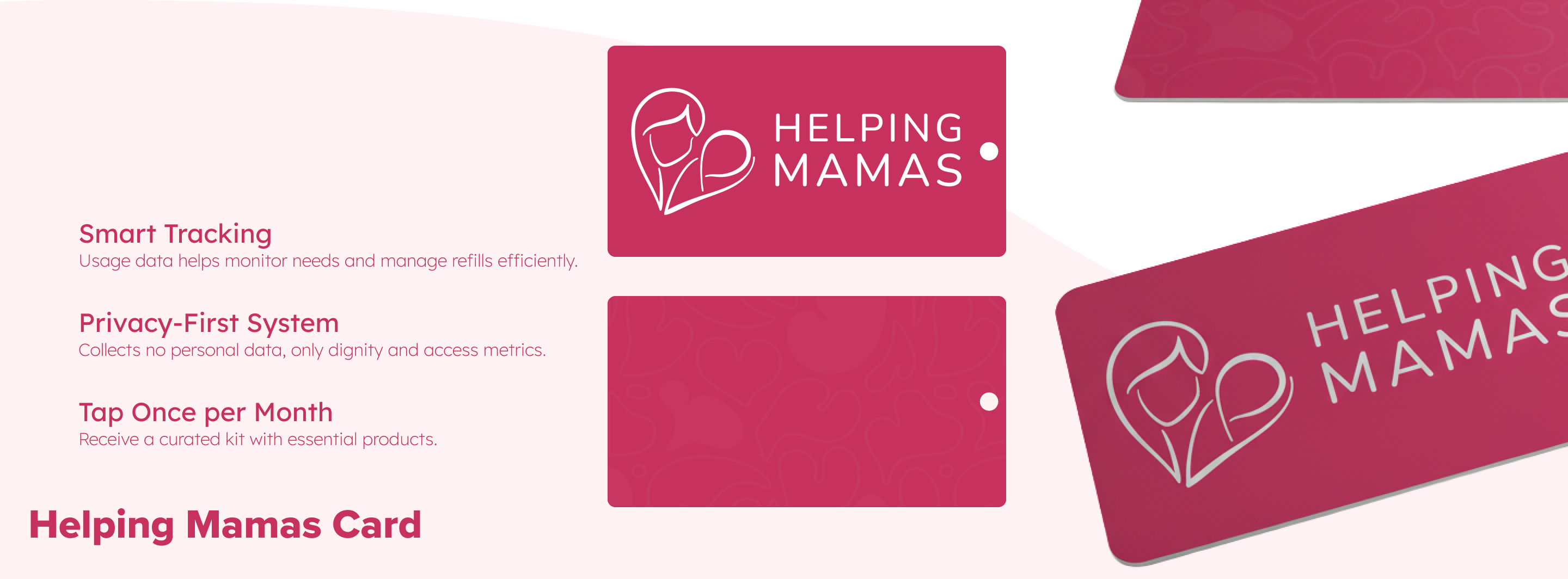
  • The Helping Mamas access card

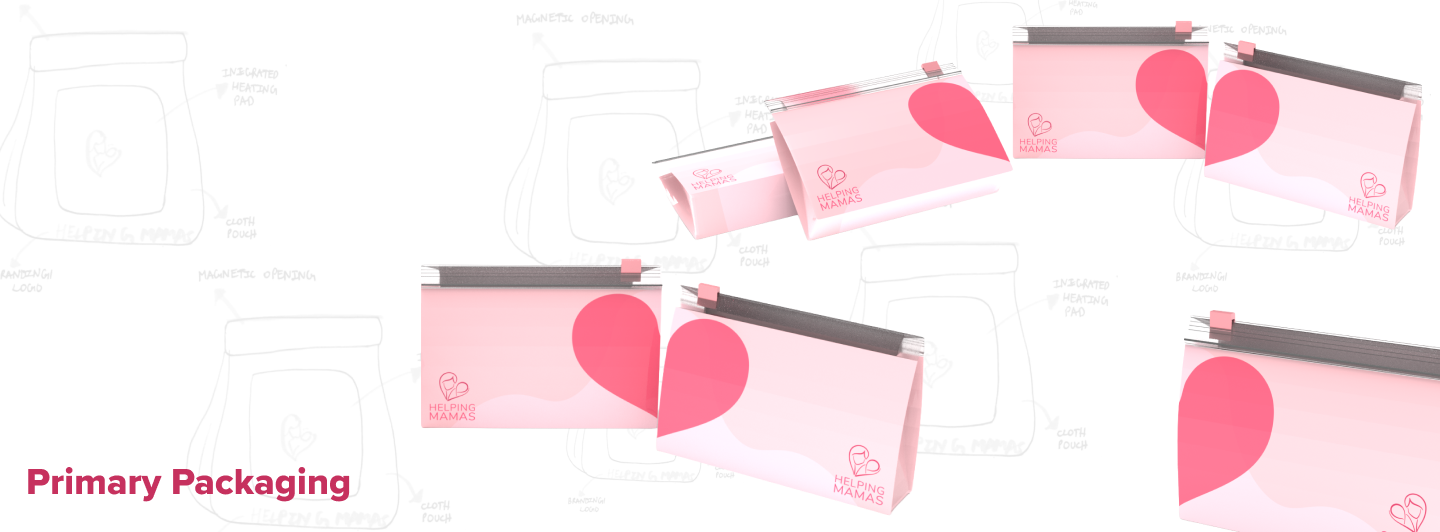
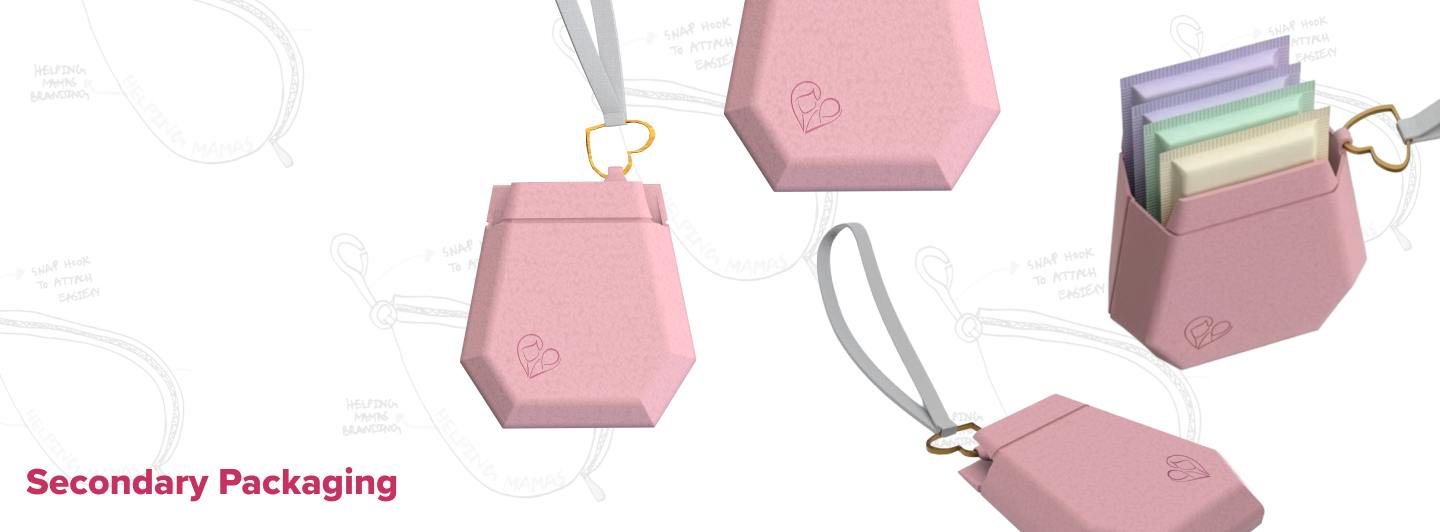
  • The product packaging system

  • And a community awareness campaign

Together, these elements form one unified ecosystem, building an environment of dignity, not dependency.

Design Criteria

  • Location & Scale

    Must fit seamlessly within schools and libraries, with a product capacity of 45 bundles or more.

  • Budget & Sustainability

    Operates within a nonprofit budget. Design must be cost-efficient and enable sponsor-supported scalability.

  • User Needs & Dignity 

    Must provide discreet, stigma-free access while offering product choice and educational clarity.

  • Operational Logistics

    Easy to restock, monitor, and maintain by small teams or volunteers.

  • Form & Feasibility

    Compact, durable, and visually appealing, balancing function, aesthetics, and privacy.

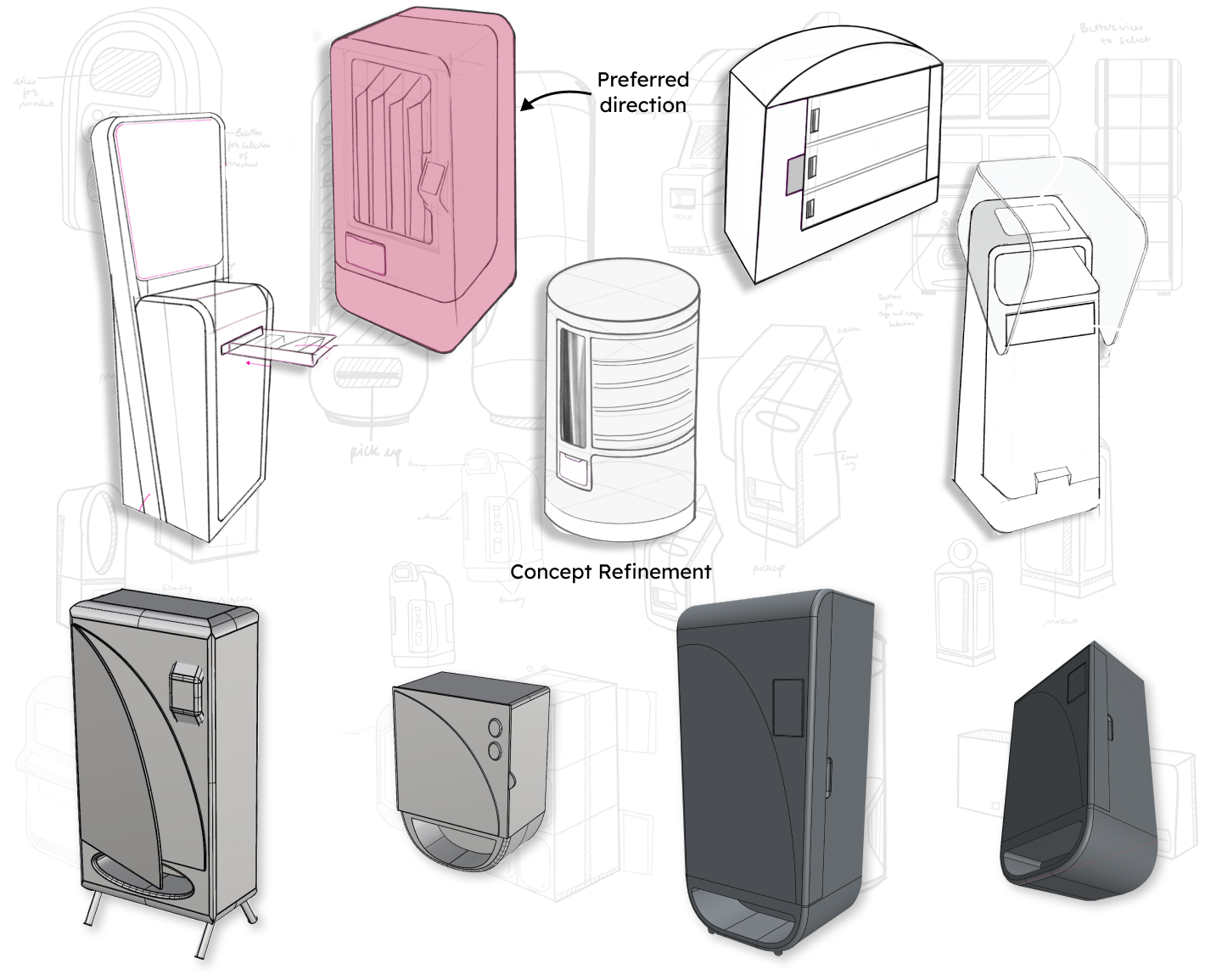
Product Exploration

We explored our ideas through 200+ sketches of different vending machine concepts, accessing them against our design criteria.

images

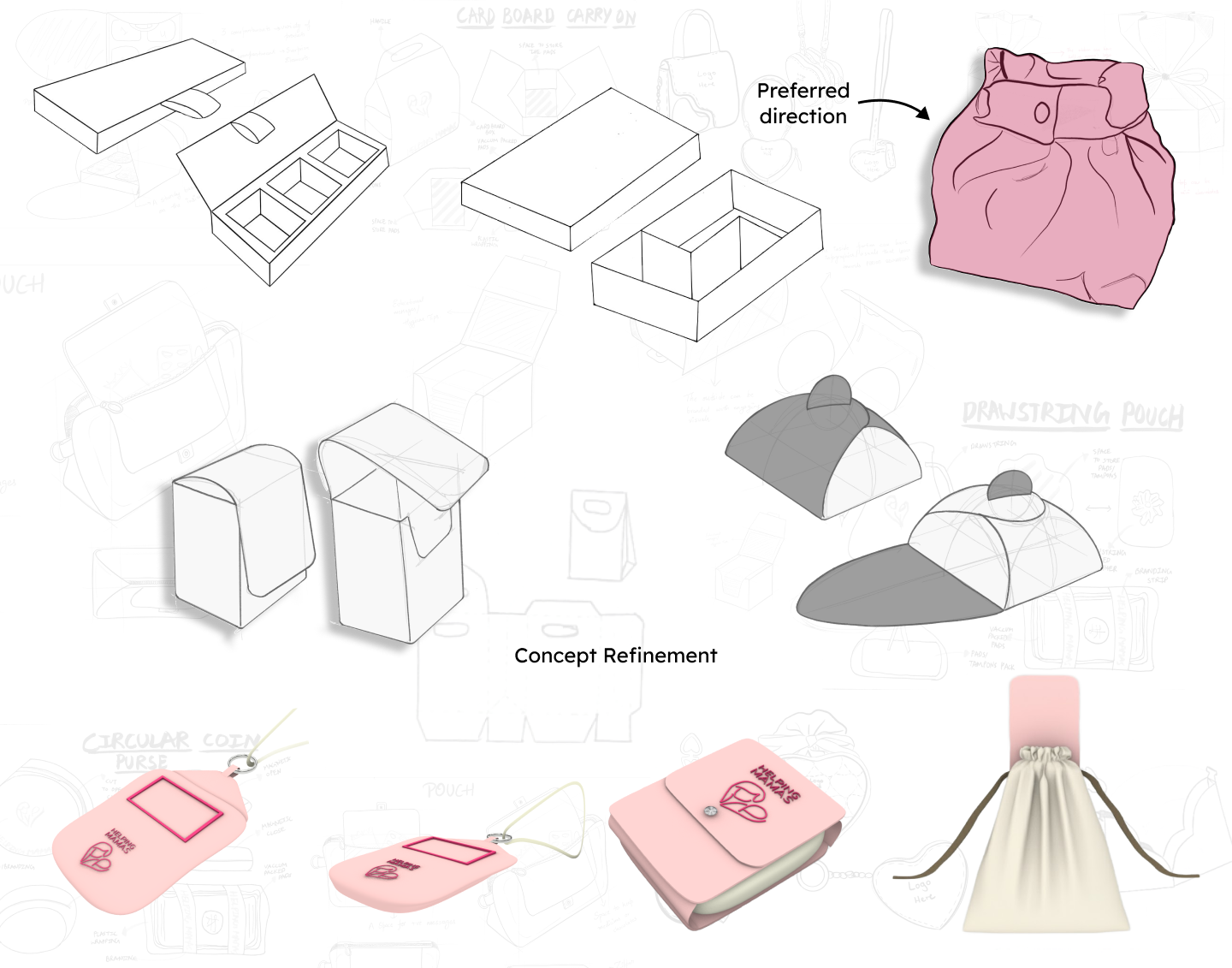
Packaging Exploration

We explored our ideas through 150+ sketches of different vending machine concepts, accessing them against our design criteria.

images

Bloom Ecosystem Use Case

Explore

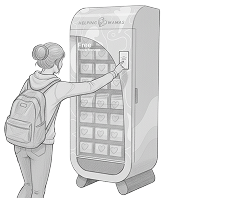
Curious, a student approaches the unit and browses the screen to learn more about Helping Mamas and the available kits. Clear visuals and simple language make the experience intuitive and reassuring.

Tap

With a single tap of her Helping Mamas card, she redeems her monthly access. The gesture is simple, dignified, and free from dependence.

Receive

Her chosen kit is dispensed instantly, thoughtfully packed for ease and comfort. The process feels seamless, personal, and respectful.

Carry

The compact, discreet packaging fits effortlessly into her daily routine. What she carries away is more than a product, it’s a sense of confidence and care.

Final Products

image

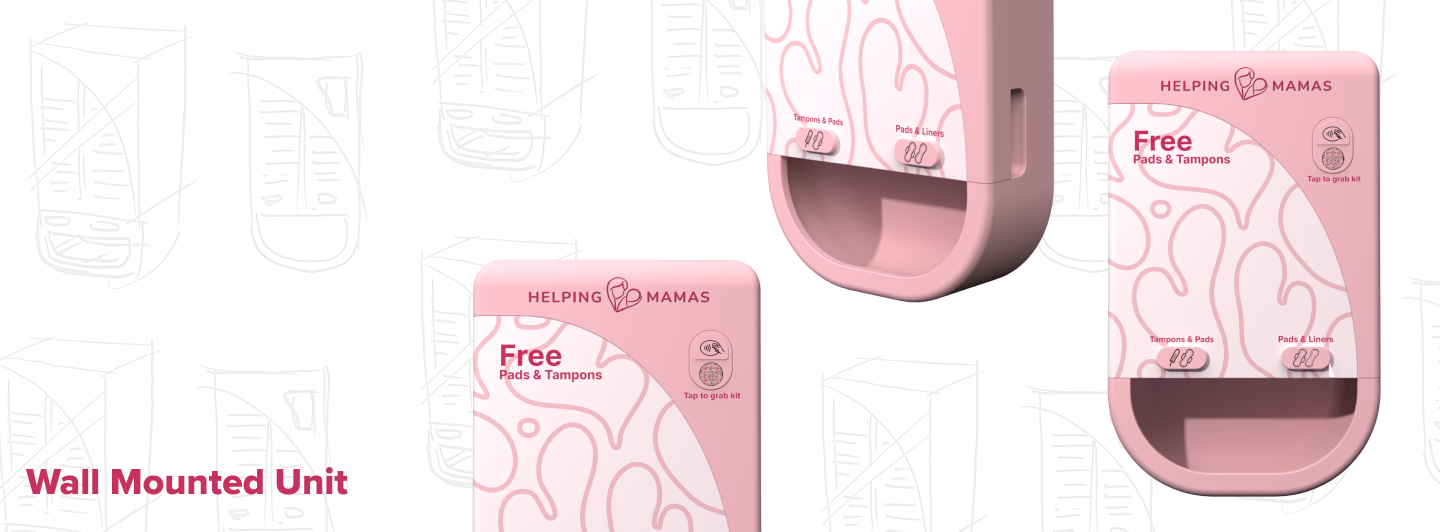
Wall Mounted Features

image

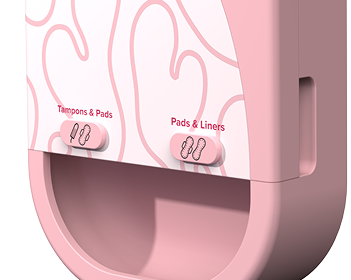
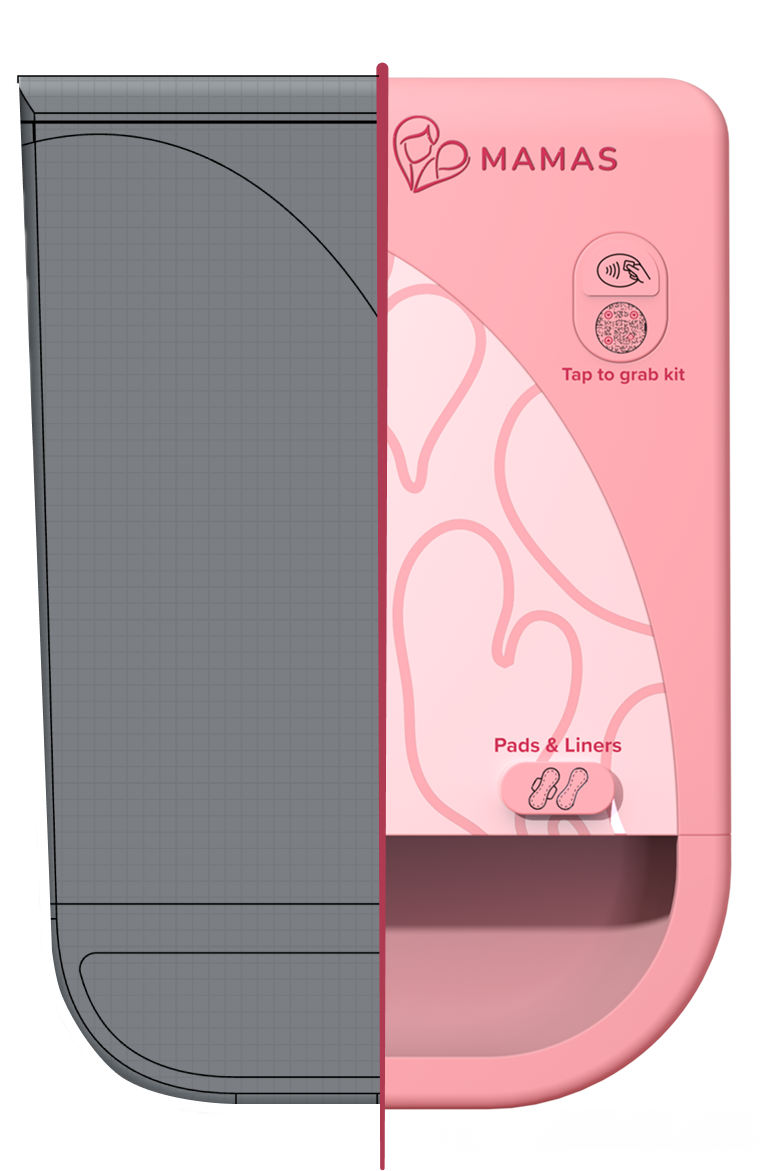
Buttons for Dispensing

Each button represents one of the two Helping Mamas kits

image

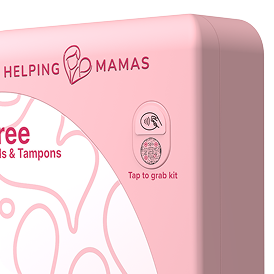
Tap-to-Redeem Card System

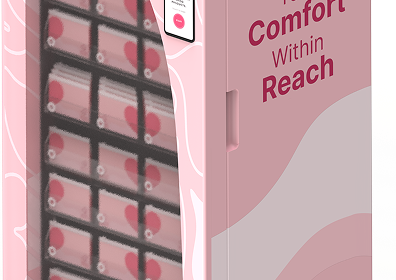
A built-in card reader allows users to tap or swipe Helping Mamas card to redeem free period products.

image

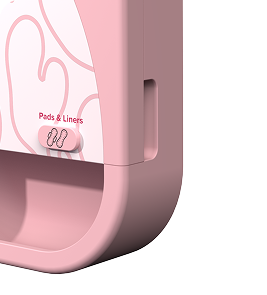
Refill panel

Small slide access door that allows staff to restock products easily

image

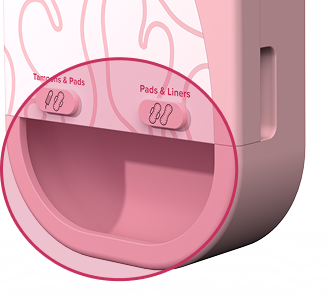
Product Retrieval Bay

Rounded open compartment at the base for easy and hygienic collection.

image

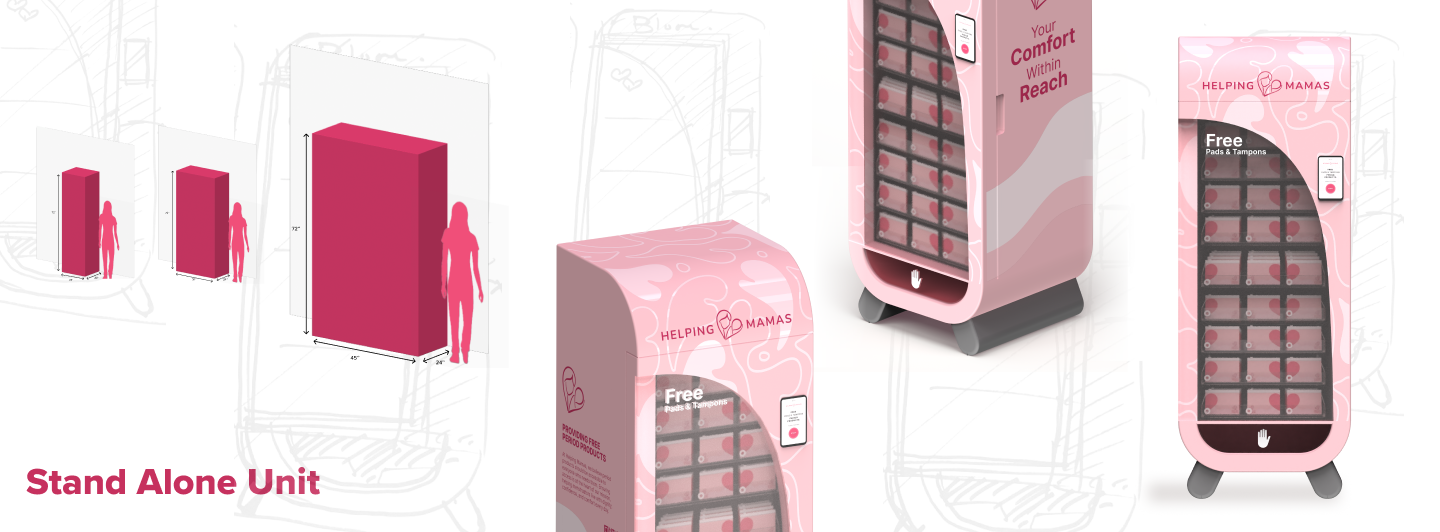
Stand Alone Features

image

Screen Interface

Small interactive touch screen for kit selection, refill alerts, and gentle awareness messages.

image

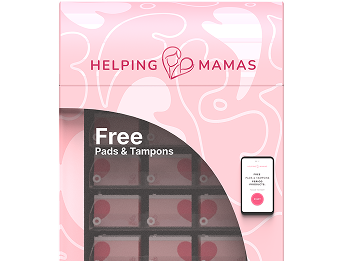
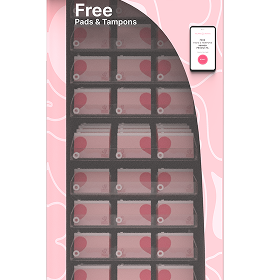
Frosted Display

Transparent front lets users see available kits, reinforcing trust and transparency.

image

Retrieval Box

The hand icon panel below signals the pickup area

image

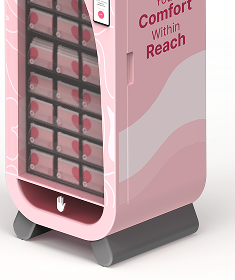
Refill Door

Discreet side door for quick, hygienic refills and effortless maintenance.

image
image
image
image

Learnings

No project is ever easy. Each challenge pushes you, teaches you, and transforms you. Here’s what Setu taught me. Lessons I couldn’t have learned any other way.

images

Challenge 1: Leading for the First Time

This was my first time serving as a Project Manager, requiring me to lead a team, make decisions, and delegate work without prior formal leadership experience.

Learning

I learned how to establish clarity, build trust, and lead through alignment rather than control.

images

Challenge 2: Managing Parallel Workstreams

Coordinating research, design, and system development simultaneously made it difficult to keep timelines, dependencies, and team alignment in sync.

Learning

I learned to prioritize communication, create clear checkpoints, and adapt plans as constraints evolved.

images

Challenge 3: Designing for Dignity at Scale

Transforming a sensitive mission around menstrual dignity into practical, scalable design decisions was emotionally and strategically complex.

Learning

I learned how to balance empathy with feasibility, ensuring the solution was respectful, maintainable, and impactful.

images

Process Book

For a deeper dive into the technical details and the project journey, check out the process book!

Take a Look
If You Liked This, You’ll Love These

If You Liked This, You’ll Love These